
Betrayal: Setting Boundaries for Safety and Recovery
Experiencing infidelity can leave you emotionally shattered, unsure of how to regain your sense of safety and trust. This kind of pain is not just emotional—it’s an attachment wound, one that can trigger trauma responses like anxiety, flashbacks, insomnia, and negative beliefs about your self-worth. Healing is possible, but it begins with one essential step: setting boundaries to restore a sense of control and emotional security.

Trauma: A Path to Healing
Trauma can silently shape how we feel, think, and relate to others—often long after the event has passed. Whether caused by abuse, loss, violence, or neglect, trauma can significantly affect mental and emotional health. Trauma therapy is a powerful, research-backed approach that helps individuals process painful experiences, reduce symptoms of PTSD, and reclaim their lives.

Couples: The Power of Self-Regulation and Co-Regulation
Strong, lasting relationships aren’t built on love alone—they require emotional awareness, communication, and the ability to navigate conflict together. Two key relationship skills at the heart of emotional connection are self-regulation and co-regulation. Together, they help couples build trust, handle emotional ups and downs, and develop deeper intimacy.
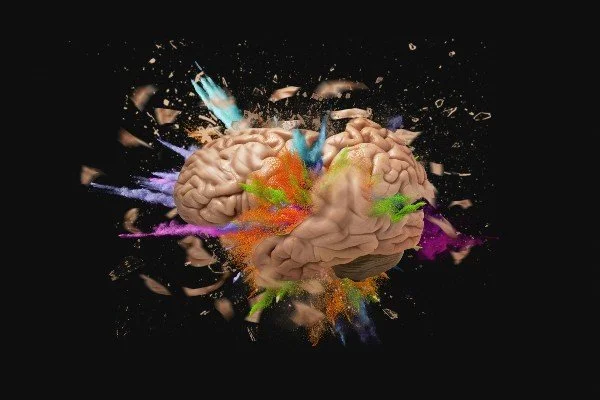
EMDR and Parts Work: A Powerful Combination for Healing Trauma
Trauma can fracture the sense of self, leaving individuals feeling overwhelmed, disconnected, or stuck in painful patterns. While Eye Movement Desensitization and Reprocessing (EMDR) therapy is a highly effective trauma treatment on its own, combining it with Parts Work—particularly Internal Family Systems (IFS)—can significantly deepen healing. This integrative approach honors the complexity of trauma while providing a compassionate, structured path toward emotional relief and wholeness.

Prodependence: A New Approach to Supporting Families of Addicts
For decades, the dominant model in addiction treatment for families has been codependency—an approach that often urges loved ones to “detach with love.” But what if there's a more compassionate, empowering way to support families without pathologizing their care and concern?

Sex Therapy: A Gap in Sexual Desire
When couples experience a mismatch in sexual desire, the impact can ripple through every area of their relationship. One partner may feel rejected or unwanted, while the other feels inadequate or pressured. Over time, this gap can lead to frustration, emotional distance, and even resentment. But with the right support, healing is possible—and sex therapy offers a compassionate, effective path forward.

Infidelity: How to Overcome Anger After a Spouse’s Infidelity
Infidelity is one of the most devastating experiences a person can face in a relationship. It shatters trust, triggers intense emotions, and often leaves the betrayed partner grappling with rage, heartbreak, and confusion. While anger is a natural and valid response to betrayal, how you process and express that anger can either promote healing or prolong suffering.

Sexual Addiction: Exploring IFS in Sex and Porn Addiction Treatment
Sex and porn addiction are often misunderstood as mere problems of impulse or morality. In reality, they are complex emotional responses to unaddressed inner wounds. Internal Family Systems (IFS) therapy offers a compassionate and powerful framework to understand and heal the root causes of these behaviors.

Betrayal Blindness: Not Seeing What’s Obvious
When someone we trust hurts us, the pain is often not just emotional—it’s disorienting. Why do we stay? Why do we ignore the signs? This psychological state is known as betrayal blindness, a term coined by Dr. Jennifer Freyd. It explains why people often remain unaware of, or in denial about, betrayal in relationships—especially when the betrayer is someone we depend on.

Trauma: How Developmental Trauma Impacts Identity
Developmental trauma isn’t just something that happens in the past—it shapes how individuals see themselves, connect with others, and navigate the world. For many adults, unresolved childhood trauma continues to silently dictate their emotional responses, relationship patterns, and sense of self. Understanding the link between early trauma and identity is essential for healing and transformation.

Couples: How to Recover From Lying in a Relationship
Lying in a relationship can leave deep emotional wounds and shake the very foundation of trust. Whether it's a small lie or a major betrayal, the path to healing is never simple—but it is possible. Recovery from dishonesty requires intentional effort, vulnerability, and a structured approach that helps both partners reconnect and rebuild.

EMDR Through a Polyvagal Theory Lens
Understanding trauma involves more than just exploring the mind—it requires us to understand how the nervous system reacts to danger, safety, and connection. That’s where Polyvagal Theory, developed by Dr. Stephen Porges, meets EMDR Therapy (Eye Movement Desensitization and Reprocessing). This powerful combination offers deep insight into how trauma is stored in the body and how healing can take place.

Couples: Understanding and Overcoming Anxious Attachment Styles in Relationships
In today’s evolving relationship landscape, understanding your attachment style is one of the most empowering tools for building healthy, secure, and emotionally fulfilling connections. One of the most commonly misunderstood attachment styles is the anxious attachment style, which can deeply affect how we show up in romantic relationships.

Sex Therapy: Navigating Sexual Incompatibility
Sexual intimacy is a vital part of many romantic relationships. When partners experience mismatched desires, needs, or preferences in the bedroom, it can create emotional distance, conflict, and confusion. However, sexual incompatibility doesn't have to be a deal breaker—with the right strategies and support, couples can work through differences and deepen their connection.

Infidelity: Navigating Emotional Cheating
When we think about infidelity, the first thought often revolves around physical betrayal. But there’s another kind of affair—less visible, but just as devastating: emotional cheating. It can unravel trust, damage intimacy, and leave partners questioning the very foundation of their relationship.

Sexual Therapy: How Sex Therapy Can Help
Human sexuality is deeply personal and complex, influenced by a range of emotional, psychological, and social factors. For some, sexual behaviors can feel overwhelming, compulsive, or out of control—causing distress and disruption in daily life. Fortunately, sex therapy offers a compassionate and evidence-based path to understanding, healing, and reclaiming sexual well-being.

Betrayal: Coping with Family Rejection
Family rejection cuts deep. When the people who were supposed to love and protect you are the ones who hurt or abandon you, the emotional pain can feel unbearable. But healing is possible. By shifting perspectives, setting boundaries, and cultivating self-love, you can break free from the cycle of betrayal and begin to thrive.

Trauma: Polyvagal Theory - Understanding and Applying Trauma and Recovery
In 1994, neuroscientist Dr. Stephen Porges introduced Polyvagal Theory, shifting the landscape of trauma recovery by reframing how we understand the body’s response to fear, safety, and social connection. By exploring how the autonomic nervous system (ANS) processes threat and safety, Polyvagal Theory has empowered trauma-informed therapy with powerful, body-based tools for healing.

Couples: The Art of Sacrifice in Relationships
In any thriving relationship, sacrifice plays an essential role in nurturing love, trust, and emotional connection. But knowing when and how to prioritize your partner’s needs—without losing yourself in the process—is an art form. Mastering the balance between selflessness and self-care can transform your relationship from strained to secure.

EMDR: Rewiring Your Nervous System
Many clients arrive at therapy having tried affirmations, journaling, or self-compassion exercises—only to find these practices fall flat. For those carrying unresolved trauma, saying “I am enough” often feels hollow in the face of deep shame, stress, and a dysregulated nervous system.