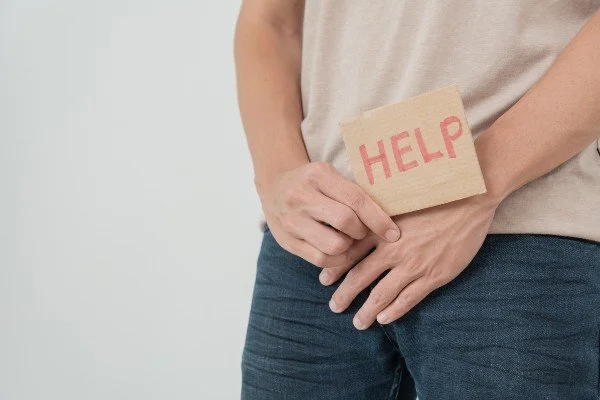
Erectile dysfunction (ED) is often assumed to be a medical problem.
While physical conditions such as diabetes, cardiovascular disease, hormonal imbalances, or medication side effects can certainly contribute, many men experiencing erectile dysfunction are surprised to learn that stress, anxiety, and compulsive sexual behaviors can also play a significant role.
For individuals struggling with pornography addiction, compulsive sexual behaviors, or sexual addiction, erectile difficulties are more common than many people realize. Understanding why this happens can reduce shame and help identify the most effective path toward recovery.
The Stress Response and Sexual Function
Healthy sexual functioning depends on the body feeling safe enough to relax.
An erection is supported by the parasympathetic nervous system, often referred to as the body's "rest and digest" system. This system promotes relaxation, increased blood flow, and sexual arousal.
Stress activates the sympathetic nervous system, also known as the "fight, flight, or freeze" response.
When the brain perceives danger—whether it's a work deadline, financial pressure, relationship conflict, fear of being discovered, or performance anxiety—it prioritizes survival over reproduction.
In other words, your body is not focused on sexual functioning when it believes you need protection.
How Sexual Addiction Increases Stress
Many people assume compulsive sexual behavior relieves stress.
In the moment, it often does.
But over time, it usually creates significantly more stress than it temporarily relieves.
Individuals may find themselves managing:
Fear of being caught.
Secrecy and double lives.
Shame after acting out.
Anxiety about disclosure.
Relationship conflict.
Financial consequences.
Emotional isolation.
Sleep disruption.
Constant mental preoccupation.
Living in this chronic state of stress keeps the nervous system activated, making healthy sexual functioning more difficult.
Performance Anxiety Can Become a Cycle
For many men, one episode of erectile difficulty leads to another—not because the body has failed, but because anxiety takes over.
The internal dialogue often sounds like:
"What if it happens again?"
"My partner is going to think I'm not attracted to them."
"Something must be wrong with me."
"I have to make this work."
The more pressure someone places on themselves to perform, the harder it becomes to relax.
Sex shifts from connection and intimacy to performance and self-monitoring.
This anxiety can become self-fulfilling.
The Role of Pornography
For some individuals, frequent or prolonged pornography use may contribute to erectile difficulties, particularly if pornography becomes the primary or preferred source of sexual arousal.
Some people notice that:
Real-life intimacy feels less stimulating than online novelty.
They require increasingly specific or intense material to become aroused.
They experience difficulty maintaining an erection with a partner but not while viewing pornography.
Emotional intimacy feels more vulnerable than fantasy.
Not everyone who views pornography develops erectile dysfunction, and ED has many possible causes. However, when pornography becomes compulsive or replaces partnered intimacy, it can contribute to difficulties for some individuals.
Shame Makes Everything Worse
Perhaps the most damaging part of erectile dysfunction isn't the physical symptom.
It's the meaning people attach to it.
Many men immediately conclude:
"I'm broken."
"I'm not a real man."
"I'm failing my partner."
"They'll leave me."
"I'm not attractive anymore."
These beliefs increase anxiety, which further activates the stress response.
The result is a cycle where shame contributes to more stress, and more stress contributes to ongoing erectile difficulties.
Recovery Often Improves Sexual Function
One of the encouraging aspects of recovery is that many individuals experience improvements in sexual functioning as they address the underlying factors contributing to ED.
Treatment may include:
Reducing chronic stress.
Addressing compulsive sexual behaviors.
Learning healthier emotional regulation skills.
Processing shame and trauma.
Improving communication with a partner.
Reducing performance anxiety.
Rebuilding emotional intimacy.
Addressing underlying medical concerns with a healthcare provider when appropriate.
Rather than focusing solely on achieving an erection, therapy helps individuals build the emotional safety, regulation, and connection that support healthy sexuality.
It's Important to Rule Out Medical Causes
Because erectile dysfunction can have both psychological and physical causes, it's important to speak with a healthcare provider if you're experiencing ongoing symptoms.
Medical conditions, medications, hormonal changes, cardiovascular disease, neurological disorders, and other health concerns should be evaluated before assuming the cause is entirely psychological.
Many people experience a combination of physical and emotional contributors.
Addressing both often leads to the best outcomes.
Healing Is About More Than Sexual Performance
Recovery isn't simply about restoring erections.
It's about restoring confidence, honesty, emotional connection, and a healthier relationship with sexuality.
As shame decreases, stress becomes more manageable, and emotional intimacy grows, many people discover that their sexual experiences become less focused on performance and more centered on connection.
Healthy sexuality isn't measured by perfection.
It's measured by authenticity, presence, mutual respect, and emotional safety.
You Don't Have to Navigate This Alone
If you're struggling with erectile dysfunction, compulsive pornography use, sexual addiction, or the impact these challenges are having on your relationship, help is available.
I specialize in working with individuals and couples navigating problematic sexual behaviors, betrayal trauma, intimacy concerns, and relationship recovery. Together, we can explore the emotional, relational, and behavioral factors contributing to your concerns and develop a plan for lasting change.
I offer a free 15-minute consultation to answer your questions, discuss your goals, and determine whether we're a good fit. Reaching out can be the first step toward reducing shame, improving intimacy, and building a healthier relationship with yourself and your partner.