How Negative Core Beliefs Fuel Sexual Addiction
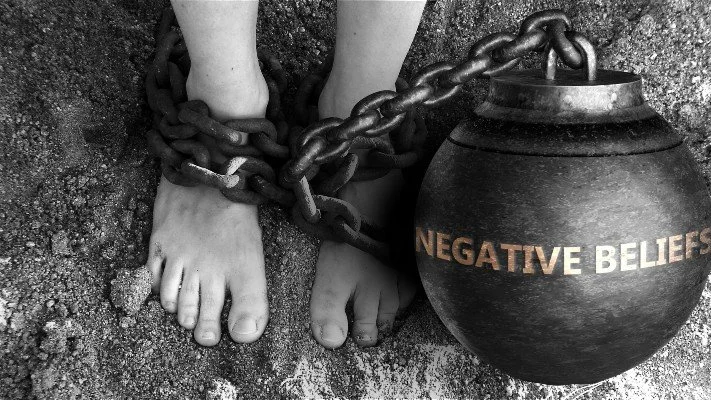
When people think about sexual addiction or problematic sexual behaviors, they often focus on the behaviors themselves—pornography, affairs, compulsive masturbation, anonymous sexual encounters, or other unwanted sexual behaviors.
But beneath those behaviors is often something much deeper.
Many individuals struggling with compulsive sexual behaviors aren't simply chasing pleasure. They're trying to escape painful beliefs they carry about themselves.
These are known as negative core beliefs.
Until these beliefs are identified and healed, recovery often feels like an endless battle against urges rather than true freedom.
What Are Negative Core Beliefs?
Core beliefs are deeply held assumptions we develop about ourselves, other people, and the world. They usually begin in childhood through experiences with caregivers, peers, trauma, bullying, neglect, emotional abuse, or repeated messages about our worth.
Examples include:
"I'm not enough."
"I'm unlovable."
"I'm defective."
"I'm unwanted."
"I'm a failure."
"I'm weak."
"I don't matter."
"I'm invisible."
"No one will ever truly know me."
"If people knew the real me, they would leave."
These beliefs don't simply exist as thoughts.
They become the lens through which someone interprets every experience.
Sexual Behaviors Become Emotional Regulation
Many people assume sexual addiction is about having an unusually high sex drive.
In reality, many individuals use sexual behaviors to regulate painful emotional states.
When a negative core belief is activated, it often creates overwhelming emotions such as:
Shame
Anxiety
Loneliness
Rejection
Worthlessness
Fear
Emptiness
Stress
Sexual behaviors temporarily interrupt those emotions.
For a brief period, pornography, fantasy, flirting, affairs, or compulsive sexual behaviors may provide:
Relief
Validation
Escape
Excitement
Power
Control
Confidence
Emotional numbness
The problem is that the relief never lasts.
The Shame Cycle
One of the defining characteristics of sexual addiction is the shame cycle.
It often looks something like this:
Negative Core Belief
↓
"I'll never be enough."
Painful Emotions
↓
Shame, loneliness, anxiety
Compulsive Sexual Behavior
↓
Temporary relief
Consequences
↓
Lying, secrecy, relationship damage, guilt
More Shame
↓
"I'm even more broken than I thought."
The original core belief becomes stronger.
This creates a cycle where the behavior actually reinforces the very belief the person was trying to escape.
Why Simply Stopping the Behavior Isn't Enough
Many people enter recovery believing they simply need more willpower.
They install accountability software.
Delete apps.
Avoid triggers.
Attend meetings.
While these tools are incredibly valuable, they often aren't enough on their own.
If the underlying belief remains:
"I'm defective."
Then every relapse becomes evidence that the belief is true.
Recovery becomes about proving you're not broken instead of healing the part of you that believes you are.
This is one reason why long-term recovery requires more than behavioral management.
Common Core Beliefs in Sexual Addiction
Although every person's story is unique, several beliefs appear frequently in treatment:
"I am not enough."
This belief often drives perfectionism, people-pleasing, and the search for external validation.
Attention from others temporarily quiets feelings of inadequacy.
"I am unlovable."
Fantasy can feel safer than real intimacy.
Pornography never rejects.
Affairs may temporarily create the illusion of being deeply desired without requiring vulnerability.
"I am powerless."
Some individuals use sexual behaviors to feel a temporary sense of control, competence, or escape when life feels overwhelming.
"I am alone."
Many people discover that loneliness—not sexual desire—is one of their strongest triggers.
The behavior becomes an attempt to soothe emotional isolation.
"I am defective."
This is perhaps the most common core belief.
Ironically, every secret kept to avoid rejection strengthens the belief that the "real me" isn't acceptable.
Healing the Core Beliefs
Healing doesn't happen by simply repeating positive affirmations.
Core beliefs were created through emotional experiences.
They usually need to be healed through new emotional experiences as well.
Therapy often involves:
Identifying the origins of the belief.
Recognizing how it continues to influence current relationships.
Learning healthier ways to regulate difficult emotions.
Processing traumatic experiences.
Building self-compassion.
Developing secure attachment.
Creating honesty and accountability.
Practicing vulnerability with safe people.
As these beliefs begin to shift, many clients notice something surprising:
The compulsive urges often decrease because the emotional pain driving them becomes less intense.
Recovery becomes less about resisting urges and more about becoming someone who no longer needs the behavior to survive emotionally.
Recovery Is About More Than Stopping
True recovery isn't simply the absence of pornography or sexual acting out.
It's developing a healthier relationship with yourself.
When someone begins believing:
"I have worth."
"I am enough."
"I can tolerate difficult emotions."
"I am lovable."
"I don't have to hide."
The need for compulsive behaviors often begins to lose its grip.
Behavioral sobriety is important.
Emotional healing is what helps sobriety become sustainable.
You Don't Have to Heal Alone
If you're struggling with pornography addiction, compulsive sexual behaviors, infidelity, or the impact these behaviors have had on your relationships, therapy can help you understand what's driving the cycle—not just how to stop it.
I specialize in working with individuals navigating problematic sexual behaviors, sexual addiction recovery, betrayal trauma, and relationship healing. Together, we can identify the underlying beliefs that keep the cycle going and build a recovery rooted in honesty, emotional resilience, and lasting change.
I offer a free 15-minute consultation to discuss your concerns, answer your questions, and determine whether we're a good fit to work together. Reaching out doesn't commit you to therapy—it simply gives you the opportunity to explore your options and take the first step toward healing.