Why Insight Alone Doesn't Heal Trauma: The Difference Between Cognitive, Experiential, and Somatic Healing
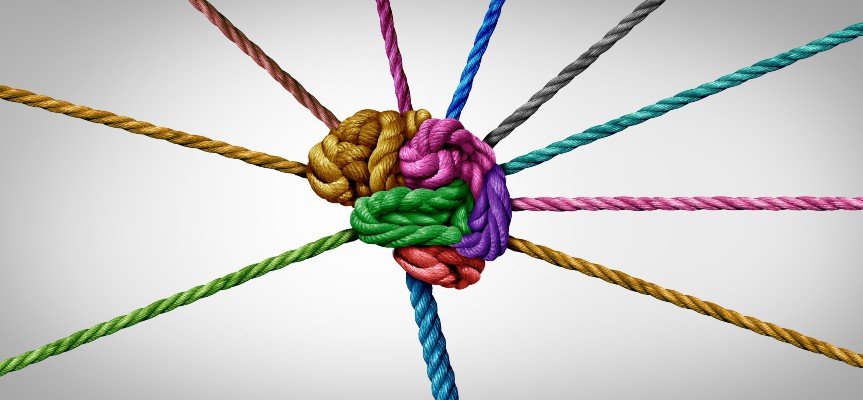
One of the most frustrating experiences for trauma survivors is knowing exactly why they react the way they do—and still feeling unable to change it.
Many people enter therapy with a strong understanding of their history. They can identify the source of their anxiety, relationship struggles, people-pleasing, perfectionism, or emotional triggers. They may have spent years reading books, listening to podcasts, attending therapy, or trying to make sense of their experiences.
Yet despite all that insight, they continue to feel stuck.
The reason is simple:
Understanding trauma is not the same thing as healing trauma.
Insight is important. It can create awareness, reduce confusion, and help people make sense of their experiences. However, trauma is not stored only as a story in the mind. It is also stored in the body, nervous system, emotions, and implicit memory networks.
True healing often requires more than talking about what happened.
It requires experiencing something different.
The Limits of Cognitive Understanding
Traditional talk therapy often focuses on cognitive insight.
This approach helps people:
Understand their behaviors
Recognize unhealthy patterns
Identify distorted beliefs
Connect current struggles to past experiences
Develop greater self-awareness
These are valuable goals.
For example, someone may recognize:
Their fear of abandonment comes from childhood neglect.
Their people-pleasing developed as a survival strategy.
Their anxiety originates from growing up in an unpredictable environment.
Their difficulty trusting others stems from betrayal.
This awareness can feel validating and empowering.
The challenge is that awareness alone does not automatically change the nervous system.
Many clients find themselves saying:
"I know why I do this."
"I understand where it comes from."
"I've talked about it for years."
"But I still react the same way."
This is where many people begin to realize that healing requires more than insight.
Trauma Lives Beyond Thoughts
Trauma is not simply a memory.
It is a lived experience that affects how the brain, body, and nervous system respond to the world.
Even when the conscious mind knows a situation is safe, the nervous system may respond as if danger is present.
This can show up as:
Anxiety
Panic
Hypervigilance
Emotional flooding
Dissociation
Numbness
Difficulty trusting others
Chronic relationship conflict
The thinking brain may understand that the threat is over.
The body may not.
This is why trauma treatment often includes approaches that go beyond cognitive understanding.
Experiential Healing: Creating New Emotional Experiences
Experiential therapies focus on helping people feel and process emotions rather than simply talk about them.
These approaches help individuals move from intellectual understanding into emotional integration.
Examples include:
Internal Family Systems (IFS)
Gestalt Therapy
Psychodrama
Emotionally Focused Therapy (EFT)
Experiential Couples Therapy
Experiential work allows people to:
Connect with wounded parts of themselves
Process unresolved emotions
Increase self-compassion
Repair attachment wounds
Develop new internal experiences
For example, someone may intellectually know they were neglected as a child.
Experiential therapy helps them connect with the emotional impact of that neglect and develop a new relationship with the parts of themselves that still carry that pain.
The goal is not simply understanding what happened.
The goal is transforming how those experiences are carried today.
Somatic Healing: Working With the Body and Nervous System
Somatic therapy recognizes that trauma is stored within the body and nervous system.
Many trauma responses occur automatically, outside conscious awareness.
Examples include:
Tightness in the chest
Chronic muscle tension
Feeling frozen during conflict
Difficulty relaxing
Emotional shutdown
Panic responses
These reactions often persist despite years of insight.
Somatic approaches focus on helping the body complete survival responses that may have become stuck.
Examples include:
EMDR
Somatic Experiencing
Polyvagal-informed therapy
Mindfulness-based interventions
Sensorimotor Psychotherapy
Rather than simply talking about trauma, somatic work helps the nervous system learn:
Safety
Regulation
Flexibility
Connection
Resilience
Healing occurs not only because someone understands their trauma but because their body begins to experience safety differently.
Why EMDR Often Feels Different
Many people are surprised by EMDR because it does not rely heavily on analysis.
In fact, clients often report:
"I've talked about this for years, but this feels completely different."
EMDR helps the brain reprocess traumatic experiences so they become integrated rather than continually reactivated.
The goal is not to forget what happened.
The goal is to reduce the emotional and physiological charge attached to the memory.
As processing occurs, many people notice:
Reduced anxiety
Less reactivity
Fewer intrusive thoughts
Improved emotional regulation
Greater confidence
Increased ability to stay present
The memory remains.
The suffering often decreases.
The Three Levels of Healing
Trauma recovery is often most effective when all three levels are addressed:
Cognitive Healing
"I understand why this happened."
Experiential Healing
"I can emotionally connect with and process what happened."
Somatic Healing
"My body and nervous system no longer react as though it is still happening."
Many people spend years focused exclusively on the first level.
Lasting change often occurs when all three begin working together.
What Healing Actually Looks Like
Healing is not forgetting.
Healing is not pretending the past didn't happen.
Healing is not having perfect emotional control.
Instead, healing often sounds like:
"I still remember what happened, but it doesn't control me."
"I understand my triggers and can respond differently."
"I feel safer in my body."
"I trust myself more."
"I don't stay stuck in survival mode."
"I can stay present during difficult situations."
Insight is often the beginning of healing.
It is rarely the end of healing.
Schedule a Free 15-Minute Consultation
If you've spent years understanding your trauma but still feel stuck in the same emotional patterns, it may be time to explore approaches that go beyond insight alone.
During a free 15-minute consultation, we'll discuss:
Your current challenges and goals
Previous therapy experiences
Whether EMDR, IFS, or trauma-focused therapy may be helpful
How cognitive, experiential, and somatic approaches work together
Next steps toward healing
You don't have to stay trapped in patterns that no longer serve you. Lasting change becomes possible when both the mind and body are included in the healing process.
Reach out today to learn more about trauma therapy, EMDR, Internal Family Systems (IFS), and nervous system-informed approaches to healing.