
You Don’t Owe Your Partner Sex — Here’s What Actually Helps Intimacy
Sexual intimacy matters in many relationships. But intimacy built through obligation, pressure, guilt, or fear of disappointing your partner isn't actually creating closeness.
In fact, it can gradually make desire disappear.

Infidelity Is Often About Regulation — Not Desire
But infidelity is not always primarily about sexual desire.
For some people, affairs, pornography, sexting, secret relationships, or other forms of sexual and relational acting out become ways of regulating uncomfortable internal experiences.

Why Willpower Fails: A Trauma + Parts Perspective on Addiction
Imagine holding a beach ball underwater.
For a while, you can keep it there.
But eventually your arms get tired.
The ball shoots back to the surface.
Willpower often works the same way.
It suppresses urges.
It doesn't resolve what's driving them.
As stress increases, the emotional pressure underneath the behavior grows stronger.
Eventually the nervous system reaches for the quickest form of relief it knows.
Not because you're weak.
Because your brain is trying to survive.

Betrayed Partners Often Lose Themselves: How Betrayal Trauma Reveals Patterns of Self-Abandonment
When most people think about betrayal trauma, they focus on the affair, pornography use, emotional affair, or other discovery that shattered the relationship.
And while those events are profoundly painful, many betrayed partners eventually realize something surprising:
The betrayal didn't create all of their pain.
It exposed patterns that had quietly existed for years.

Why You Feel Calm One Moment and Triggered the Next
Long before your thinking brain begins analyzing a situation, your nervous system asks:
"Am I safe?"
It asks this question hundreds—if not thousands—of times each day.
Most of the time, you aren't even aware it's happening.
But if you've experienced betrayal trauma, childhood trauma, emotional abuse, or chronic stress, your nervous system has learned that danger can appear without warning.
So instead of waiting for proof, it reacts to possibility.
Why Apologies Don't Heal Trauma (But This Does)
A genuine apology matters.
It communicates accountability, remorse, and a willingness to change.
Those are essential ingredients for rebuilding trust.
But they don't erase what your brain and body learned through repeated experiences of danger.

Why You Can't "Just Let It Go": How Trauma Stays Stuck in the Nervous System
Trauma occurs when your nervous system experiences something as overwhelming and doesn't fully process it. Instead of filing the experience away as something that happened in the past, your brain and body continue responding as though the danger could happen again at any moment.

Why Codependency Makes Sense After Childhood Emotional Neglect
If you grew up experiencing childhood emotional neglect, becoming highly attuned to other people's emotions may have been one of the safest ways to navigate your world.
Understanding this doesn't excuse unhealthy relationship patterns—but it can replace shame with compassion and create a path toward healing.
Can Stress and Sexual Addiction Cause Erectile Dysfunction?
While physical conditions such as diabetes, cardiovascular disease, hormonal imbalances, or medication side effects can certainly contribute, many men experiencing erectile dysfunction are surprised to learn that stress, anxiety, and compulsive sexual behaviors can also play a significant role.

It Wasn't Just the Affair. It Was the Reality Distortion.
When people hear the words infidelity or sexual addiction, they often assume the greatest injury comes from the sexual behavior itself.
For many betrayed partners, that isn't what hurts the most.
It's the deception.
It's discovering that the reality you've been living wasn't actually real.
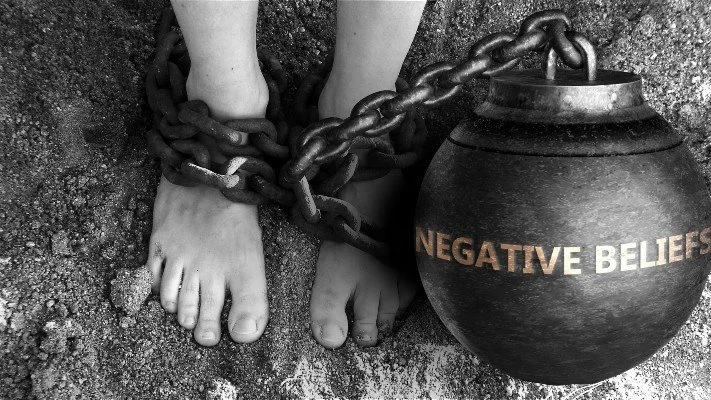
How Negative Core Beliefs Fuel Sexual Addiction
When people think about sexual addiction or problematic sexual behaviors, they often focus on the behaviors themselves—pornography, affairs, compulsive masturbation, anonymous sexual encounters, or other unwanted sexual behaviors.

Why You Don't Trust Yourself After Betrayal
The discovery of infidelity, secret sexual behaviors, deception, or repeated broken promises often creates a profound crisis of self-trust.
Many people enter recovery believing the primary issue is rebuilding trust in their partner.
What often emerges is a deeper realization:
The person they trust least is themselves.
Understanding why this happens can be an important first step toward healing.
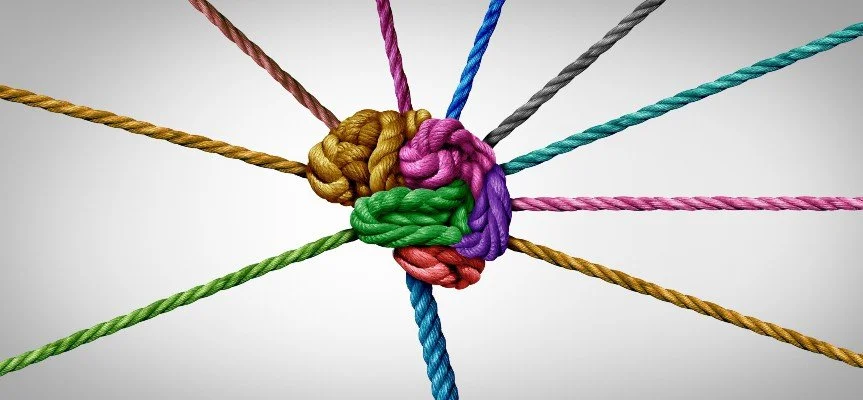
Why Insight Alone Doesn't Heal Trauma: The Difference Between Cognitive, Experiential, and Somatic Healing
Many people enter therapy with a strong understanding of their history. They can identify the source of their anxiety, relationship struggles, people-pleasing, perfectionism, or emotional triggers. They may have spent years reading books, listening to podcasts, attending therapy, or trying to make sense of their experiences.

Overfunctioning and Underfunctioning in Relationships: Why One Partner Carries Everything and How Therapy Can Help
One partner is carrying the emotional load, managing the household, initiating conversations, solving problems, remembering appointments, planning for the future, and working tirelessly to keep the relationship functioning.
Meanwhile, the other partner may appear passive, avoidant, dependent, disengaged, or resistant to taking responsibility.

EMDR + IFS: Why We Don't "Process the Trauma" Right Away
When you've been carrying pain for years—or even decades—it's natural to want relief as quickly as possible. Many people come to therapy hoping that trauma processing will immediately reduce anxiety, stop intrusive thoughts, improve relationships, and help them finally move forward.

Why Highly Empathic People Become Codependent
If you’re someone who feels deeply, reads people easily, and naturally tunes into others’ emotions…
you’ve probably been told:
“You’re so empathic.”
And that may be true.
But for many people, that same strength quietly turns into something else:
Over-functioning in relationships
Losing yourself in others’ needs
Feeling responsible for other people’s emotions
Staying too long, giving too much, and leaving yourself depleted
This is where empathy can slide into codependency.

Why Do I Dissociate During Sex?
If you’ve ever felt like you “leave” during sex—
like your body is there, but you’re not fully in it—you’re not alone.
People describe it as:
Going numb
Zoning out
Watching it happen from the outside
Feeling disconnected from sensation or emotion
Wanting it to be over, even if nothing is “wrong”

Some Affairs Happen in “Good” Marriages — And That’s What Makes Them So Disorienting
Affairs don’t only happen in “bad” marriages.
In fact, many betrayed partners describe their relationship before discovery as:
Close and connected
A strong friendship
Good co-parents
A functional (sometimes even satisfying) sex life
Shared goals and a sense of “we”
Which leads to the question that often feels impossible to answer:
“If things were good… then what was real?”
This is where the injury goes far deeper than the affair itself.

The Shame Cycle: Why It Keeps You Stuck (And How to Break It)
There’s a moment most people don’t talk about.
It’s not the behavior.
It’s not even the consequence.
It’s what comes after.
That internal collapse:
“What is wrong with me?”
“I’ll never change.”
“If people really knew me, they wouldn’t stay.”
That’s the shame cycle.
And if you’re stuck in it, no amount of willpower, insight, or “trying harder” seems to make a lasting difference.

The Part of You That Keeps Checking Their Phone (And Why It Won’t Stop)
If you’ve ever found yourself checking your partner’s phone, email, or location—again—you’ve probably also had the thought:
“What is wrong with me?”
Let’s be clear:
There’s nothing “crazy” about what you’re experiencing.